Washing machine repair is often the first thing people search for when their appliance suddenly stops working. Whether your washing machine refuses to start, leaves clothes soaking wet, leaks across the floor, or begins making alarming noises, it’s easy to assume an expensive repair is unavoidable.
Fortunately, many common washing machine problems have surprisingly simple causes.
Before searching for washing machine repair near me or booking a washing machine repair service, spend five to ten minutes checking the basics. A blocked drain hose, uneven load, loose power connection, or improperly closed door can sometimes solve the problem without needing a technician.
This guide walks you through 11 practical checks every homeowner should make before paying for professional washing machine repair.
Safety first: Always switch off and unplug your washing machine before inspecting filters, hoses, or any internal access panel. For model-specific instructions, consult your appliance manual. Official manufacturer guidance also recommends following the owner’s manual before attempting maintenance or troubleshooting.
1. Check the Power Supply Before Booking Washing Machine Repair
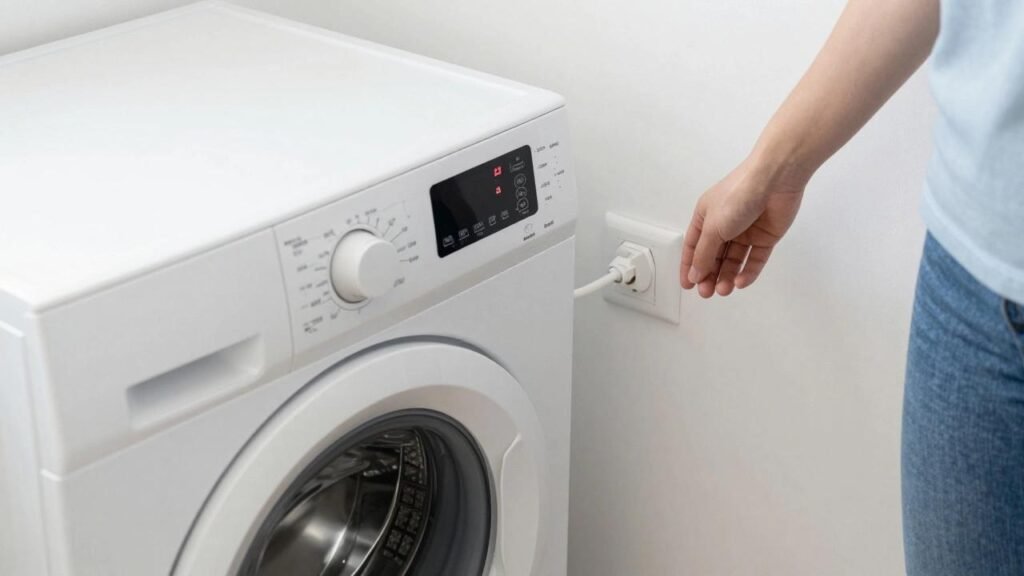
Sometimes the biggest-looking problem has the smallest explanation.
If your washing machine won’t turn on, begin with the electrical supply.
Check whether:
- The power plug is firmly connected.
- The wall socket is working.
- A circuit breaker has tripped.
- The machine’s power button has actually been switched on.
Try another appliance in the same outlet to confirm the socket is functioning. If power is reaching the machine but the display remains completely blank, that’s more likely to require professional washing machine repair rather than a simple household fix.
2. Make Sure the Door or Lid Is Fully Closed
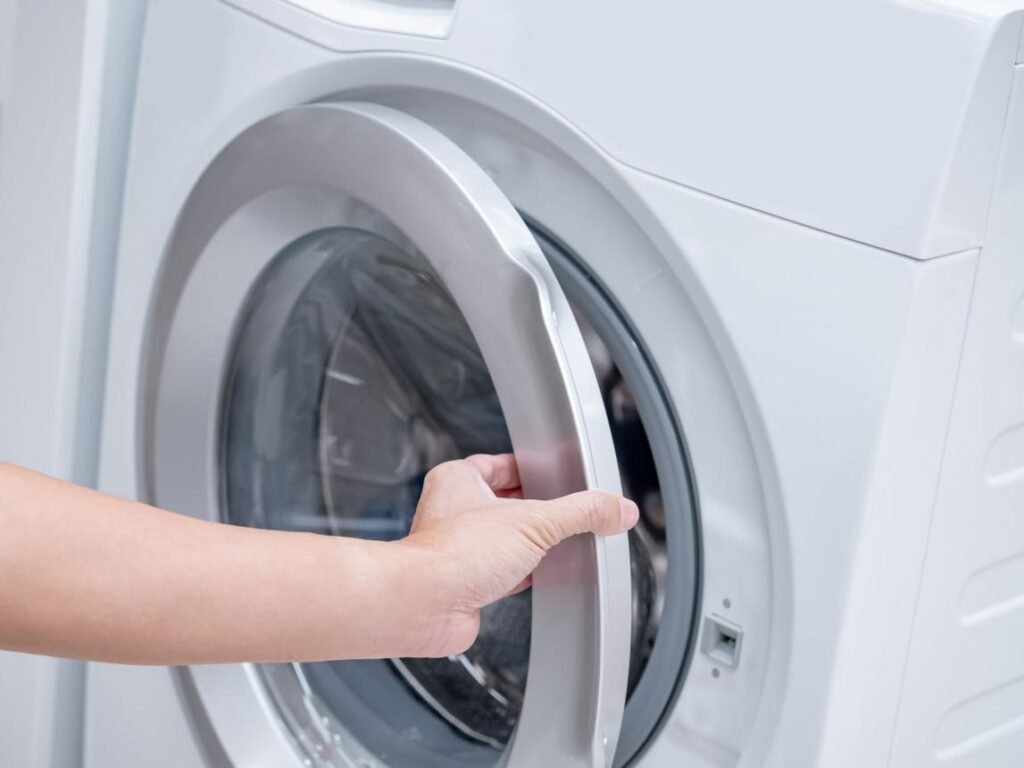
Most modern washers include a safety lock that prevents the machine from starting unless the door or lid is securely closed.
Look carefully around the seal for:
- Clothes trapped in the door
- Thick fabric preventing closure
- Damaged rubber around the seal
- A lid that isn’t sitting correctly
Close the door firmly without forcing it.
If the washer repeatedly refuses to begin despite the door appearing closed, the locking mechanism or door sensor may need inspection by a washing machine technician. Manufacturer troubleshooting guides consistently identify the door lock as one of the first things to check when a washer won’t start or spin.
3. Don’t Overload the Drum
An overloaded washing machine can create problems that look much more serious than they really are.
Too many clothes may cause the machine to:
- Stop during the cycle
- Spin poorly
- Vibrate excessively
- Leave clothes wetter than usual
- Make banging noises
Instead of packing every available space, clothes should move freely inside the drum.
If you’ve filled the washer with heavy towels, jeans, or bedding, remove a few items and run the cycle again. Uneven or overloaded laundry is a well-documented cause of reduced spin performance.
4. Washing Machine Not Spinning? Balance the Load First
A washing machine not spinning is one of the most searched appliance problems online.
Before assuming the motor has failed, inspect the laundry itself.
Large items such as blankets, sheets, or bath towels often gather on one side of the drum. When that happens, the machine detects an imbalance and may reduce or completely stop the spin cycle.
Try this:
- Pause the cycle.
- Open the machine once it’s safe.
- Spread the clothes evenly.
- Remove one or two heavy items if necessary.
- Restart the spin cycle.
If the machine still refuses to spin with a balanced load, the issue may involve internal components that require washing machine repair.
5. Washing Machine Not Draining? Inspect the Drain Hose
Discovering standing water inside your washer is frustrating, but don’t panic immediately.
If your washing machine is not draining, inspect the drain hose before calling for service.
Look for:
- Kinks
- Crushing behind the machine
- Sharp bends
- Visible blockages
- Incorrect installation
A restricted hose can prevent water from leaving the appliance properly.
Many manufacturers recommend checking the hose position and ensuring it isn’t bent or clogged before arranging washing machine repair.
Important: Don’t disconnect hoses or open pump areas while the machine is connected to electricity.
6. Check the Drain Filter If Your Model Has One
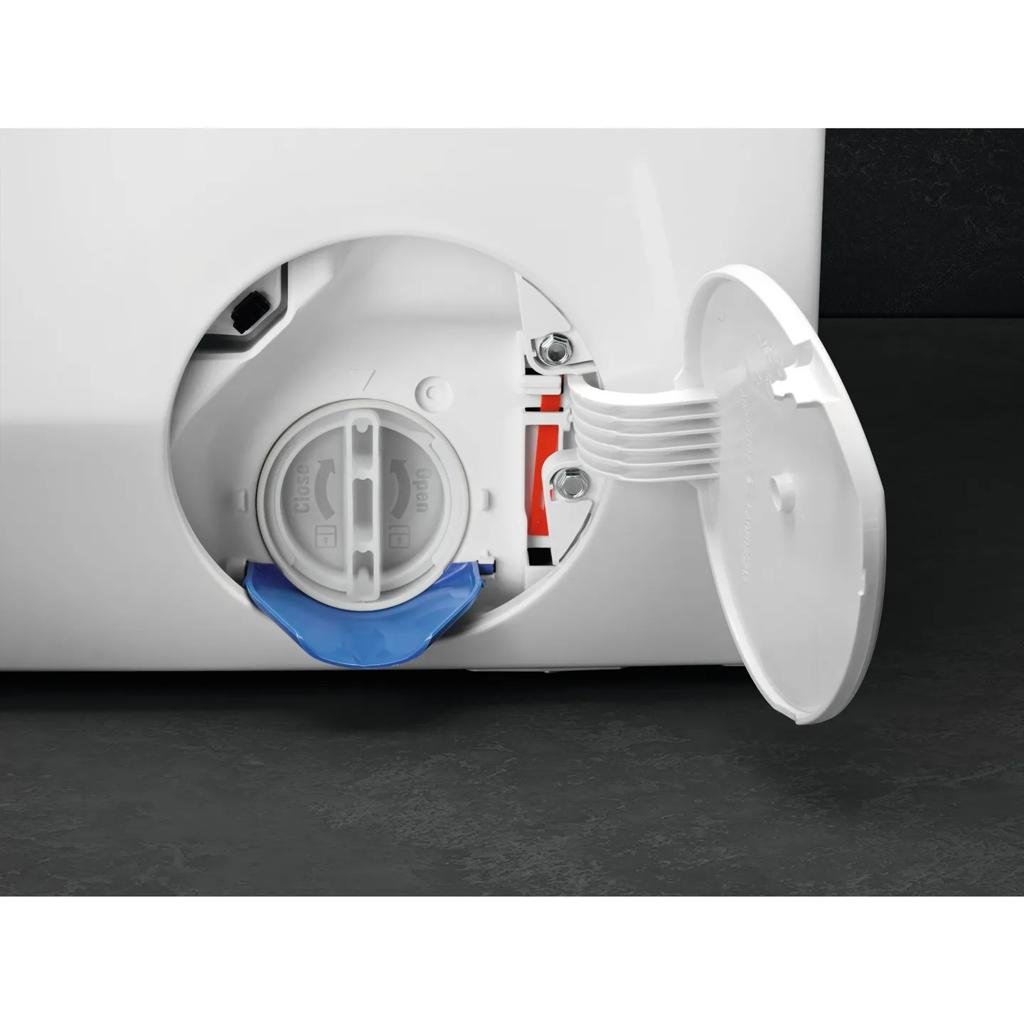
Some front-loading washing machines include an accessible drain pump filter.
Coins, buttons, lint, hair, and small objects can gradually collect there and affect drainage.
Before checking it:
- Switch off the machine.
- Unplug it completely.
- Read your manufacturer’s instructions.
- Keep towels nearby because water may spill out.
Not every washing machine has a user-accessible filter, so never assume the location is the same across brands. Official support pages specifically recommend consulting the model manual before cleaning the pump filter.
7. Investigate a Washing Machine Leaking From the Right Place
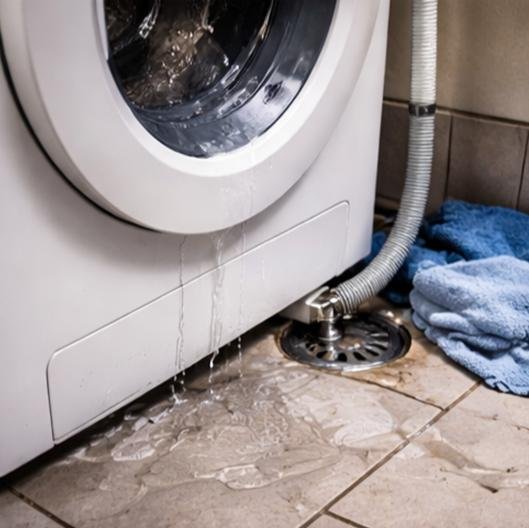
A washing machine leaking water doesn’t always mean the internal tub has failed.
First identify where the water appears.
Check these areas:
- Water inlet connections
- Drain hose connection
- Detergent drawer
- Door seal
- Underneath the appliance
A loose hose connection may be much simpler than an internal mechanical leak.
However, if water is consistently appearing from underneath the machine or near electrical components, stop using it and arrange professional washing machine repair rather than continuing repeated wash cycles.
8. Listen Carefully to Unusual Noises
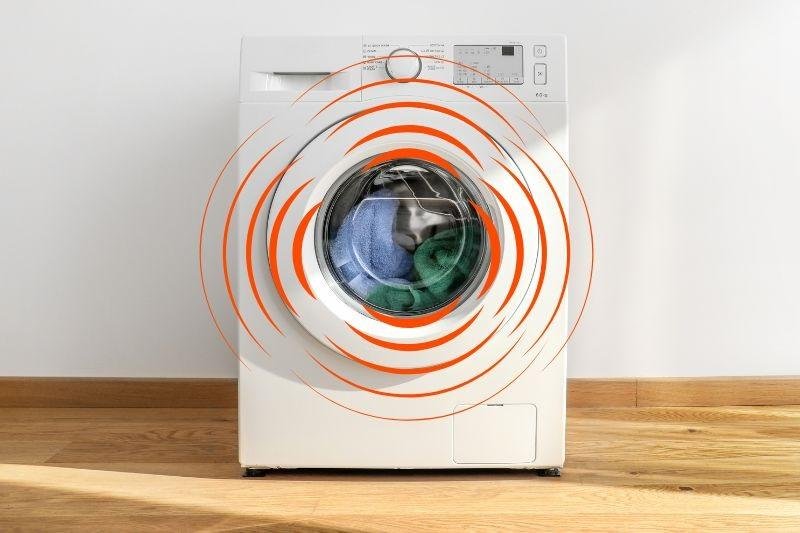
Every washing machine makes sound—but unfamiliar sounds deserve attention.
Different noises often suggest different problems.
Common sounds include:
Thumping
Usually associated with an uneven laundry load.
Rattling
Sometimes caused by coins, keys, or other objects trapped inside.
Grinding
May indicate a mechanical issue requiring professional diagnosis.
Loud banging
Can result from poor leveling, overloaded laundry, or suspension problems.
If redistributing clothes doesn’t reduce the noise, avoid repeatedly running the machine. Continued operation could worsen the underlying fault. Excessive vibration and noise are commonly linked with unbalanced loads and leveling issues in manufacturer troubleshooting guidance.
9. Make Sure the Washing Machine Is Level
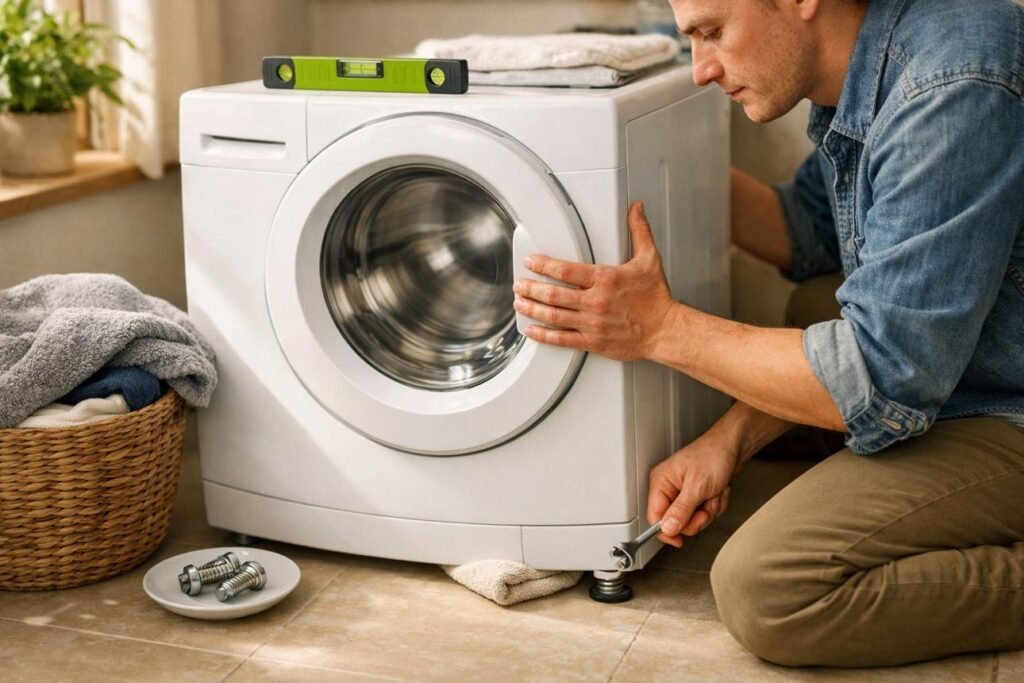
A washing machine should sit firmly on the floor without rocking.
Place both hands on the appliance and gently check whether it moves diagonally.
If it rocks:
- Inspect the adjustable feet.
- Ensure the flooring is stable.
- Follow your manufacturer’s leveling instructions.
An uneven machine can contribute to excessive vibration, reduced spin efficiency, and noisy operation. Proper leveling is one of the simplest maintenance checks before considering washing machine repair
10. Check the Water Supply and Inlet Hose
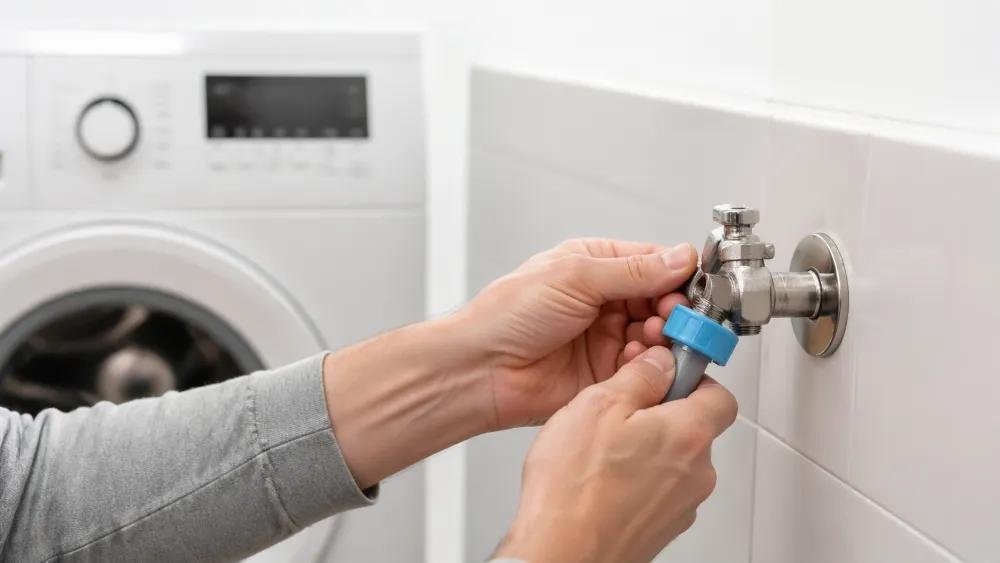
If your washer powers on but never fills with water, inspect the incoming water supply.
Check whether:
- The water tap is fully open.
- The inlet hose is bent.
- Water pressure is available.
- Hose connections appear secure.
Sometimes household plumbing—not the appliance—is responsible for poor water flow.
Bosch recommends checking the water tap, hose condition, and available water supply before assuming the washer itself has developed a fault.
11. Read the Error Code Before Calling a Washing Machine Technician
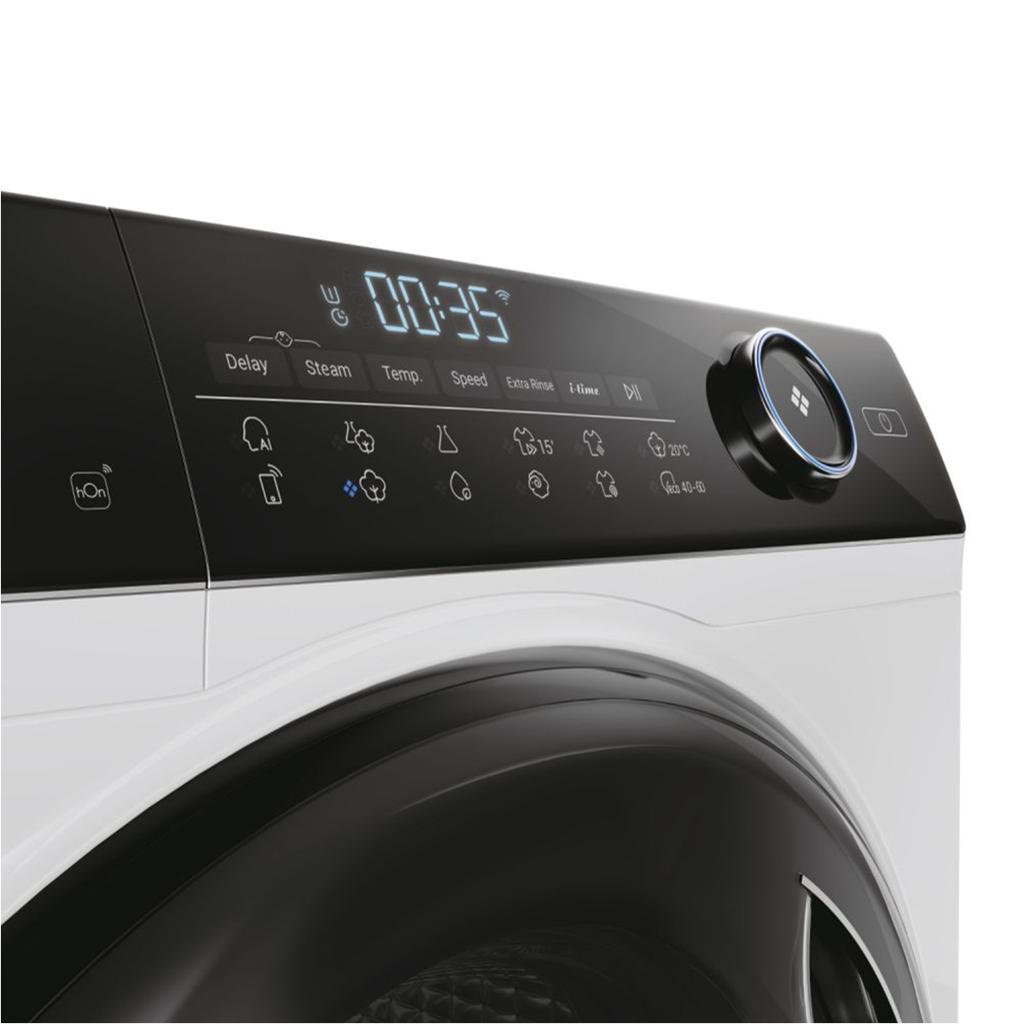
Modern appliances are designed to communicate faults through error codes.
Instead of simply restarting the machine several times, write down the exact code displayed on the screen.
That information can help identify whether the issue relates to:
- Drainage
- Door locking
- Water supply
- Motor operation
- Sensors
- Electronic controls
Take a clear photo before resetting the machine.
When contacting a washing machine repair service, sharing the exact error code can help the technician understand the likely fault before arriving. Manufacturer support resources also recommend using model-specific troubleshooting information when interpreting displayed errors.
When Should You Call for Washing Machine Repair?
There comes a point where troubleshooting should end and professional help becomes the smarter option.
Book a qualified washing machine repair technician if you notice any of the following:
- The machine repeatedly trips the electrical breaker.
- You smell burning plastic or overheated wiring.
- Water leaks from inside the appliance.
- The drum refuses to rotate completely.
- Grinding noises continue after balancing the load.
- Error codes keep returning.
- The machine stops midway through every cycle.
- Basic checks haven’t solved the issue.
Searching for washing machine technician near me makes sense once you’ve ruled out the simple causes safely.
How Much Does Washing Machine Repair Cost?
One of the biggest questions homeowners ask is about washing machine repair cost.
The truth is that repair pricing depends entirely on the failed component and the labour involved.
For example, a simple drainage issue may require far less work than replacing an electronic control board or motor.
Before approving any repair, ask these questions:
- What exactly is the fault?
- Which part needs replacement?
- Is the part genuine?
- What is the labour charge?
- Is there a diagnostic fee?
- Does the repair include a warranty?
- Would repairing or replacing the appliance be more economical?
A reputable washing machine repair company should explain the diagnosis clearly before beginning major work.
A 5-Minute Checklist Before Searching “Washing Machine Repair Near Me”
Quick inspection checklist
Power supply is working
Door or lid closes properly
Load is not overloaded
Laundry is evenly balanced
Drain hose has no visible kinks
Water supply tap is open
Machine is sitting level
No obvious leak from hoses or seals
Error code has been noted
If you’ve checked every item above and your washer is still malfunctioning, it’s probably time to contact a professional washing machine repair service in Riyadh rather than continuing trial-and-error troubleshooting.
The goal isn’t to avoid washing machine repair altogether it’s to avoid paying for a technician when the solution may be as simple as a balanced load, properly closed door, or blocked hose.